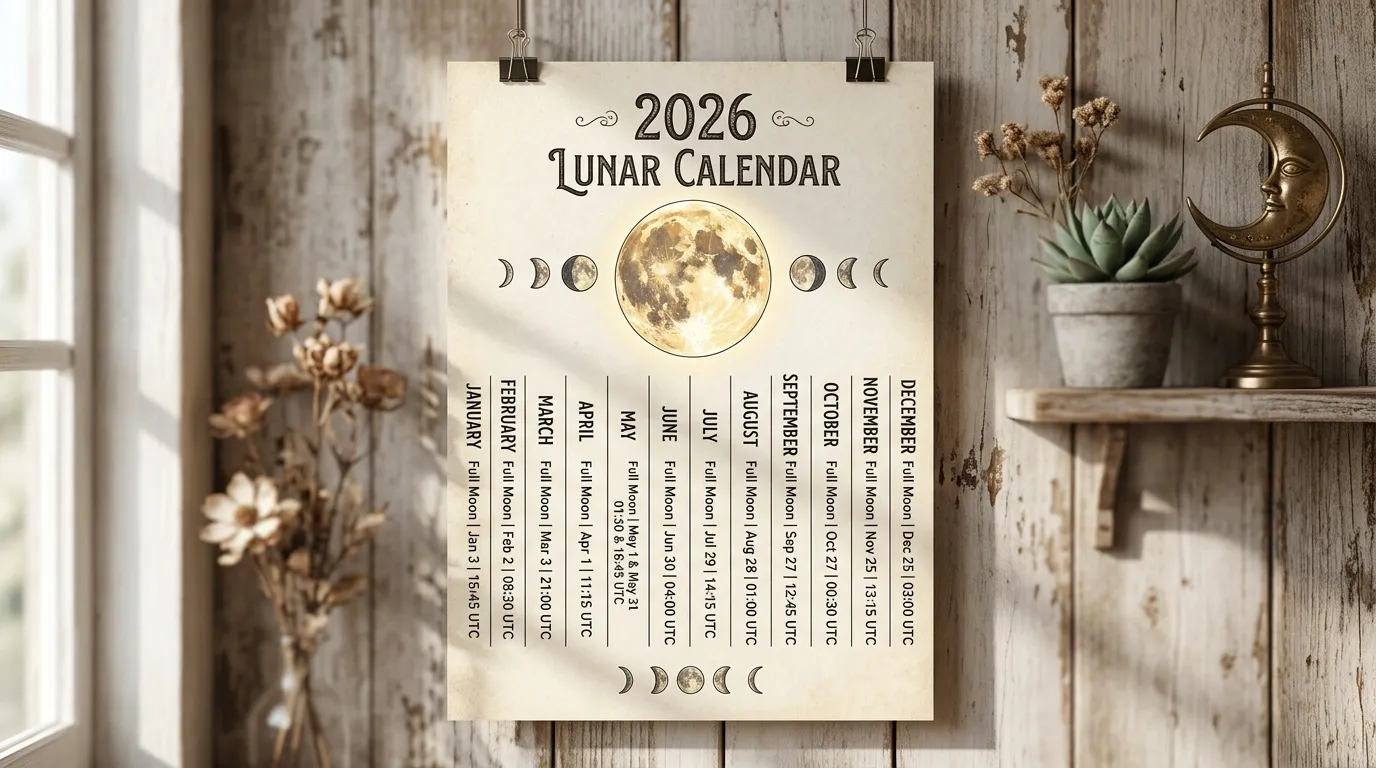
Look up at the night sky, and you witness a celestial phenomenon that has guided humanity for millennia. Tracking the Full moon calendar and dates helps you connect with natural rhythms and plan astronomical observations.
Understanding the Full moon calendar and dates gives you a unique advantage in scheduling nighttime photography, outdoor adventures, and personal reflection. This guide covers the complete 2026 schedule, cultural meanings behind lunar names, expert viewing tips, and common pitfalls to avoid during your stargazing sessions.
The Complete 2026 Lunar Schedule
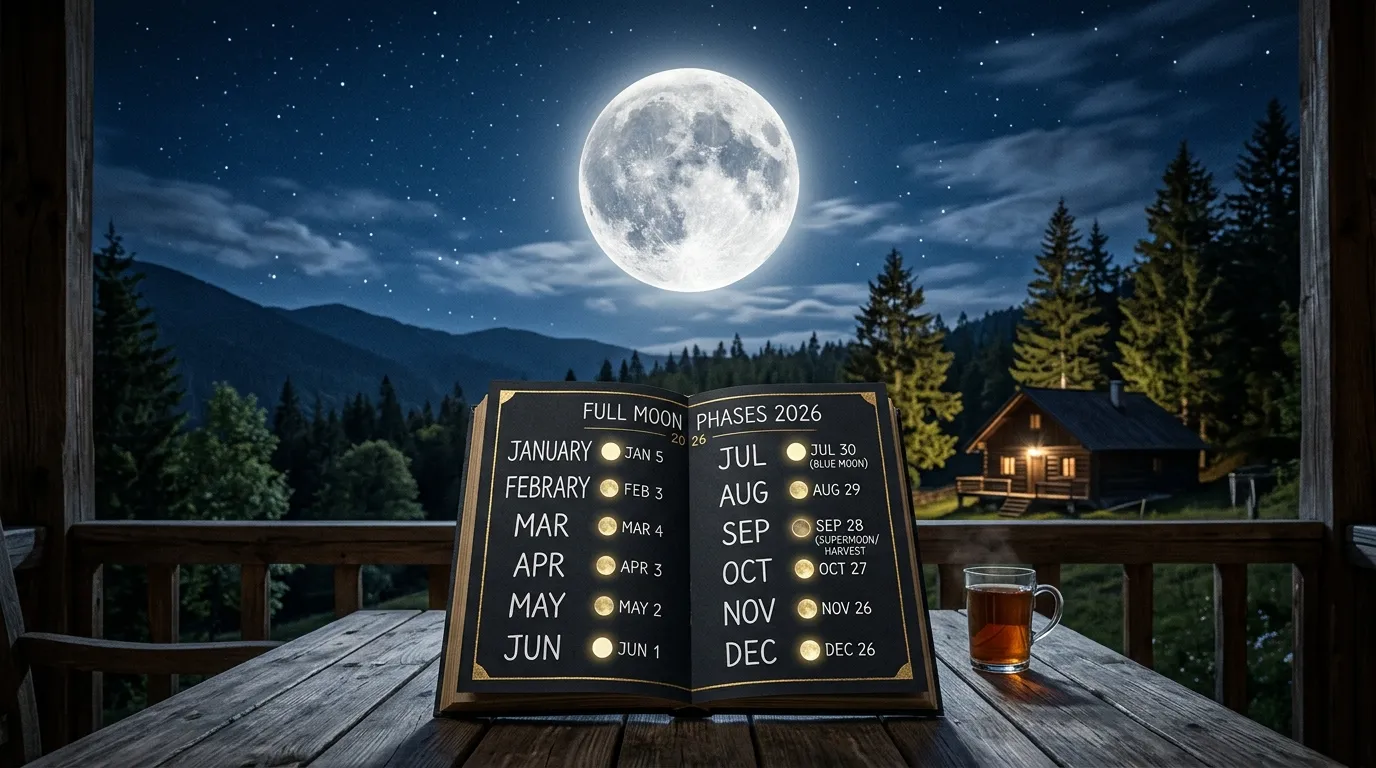
Knowing the exact Full moon calendar and dates allows you to prepare for spectacular night sky events. In 2026, the lunar cycle features 13 full moons, including a rare Blue Moon. By keeping track of these specific times, you can maximize your visibility and enjoy the natural brilliance of our closest celestial neighbor.
Here are the precise Full moon calendar and dates for 2026:
- January 3, 2026: Wolf Moon (5:03 AM EST)
- February 1, 2026: Snow Moon (5:09 PM EST)
- March 3, 2026: Worm Moon (6:38 AM EST)
- April 1, 2026: Pink Moon (10:12 PM EST)
- May 1, 2026: Flower Moon (1:23 PM EST)
- May 31, 2026: Blue Moon (4:45 AM EST)
- June 29, 2026: Strawberry Moon (7:57 PM EST)
- July 29, 2026: Buck Moon (10:36 AM EST)
- August 28, 2026: Sturgeon Moon (12:19 AM EST)
- September 26, 2026: Harvest Moon (12:49 PM EST)
- October 26, 2026: Hunter’s Moon (12:12 AM EST)
- November 24, 2026: Beaver Moon (9:54 AM EST)
- December 23, 2026: Cold Moon (8:28 PM EST)
Tracking your lunar calendar ensures you never miss a spectacular supermoon or lunar eclipse.
Cultural History and Significance of Moon Names
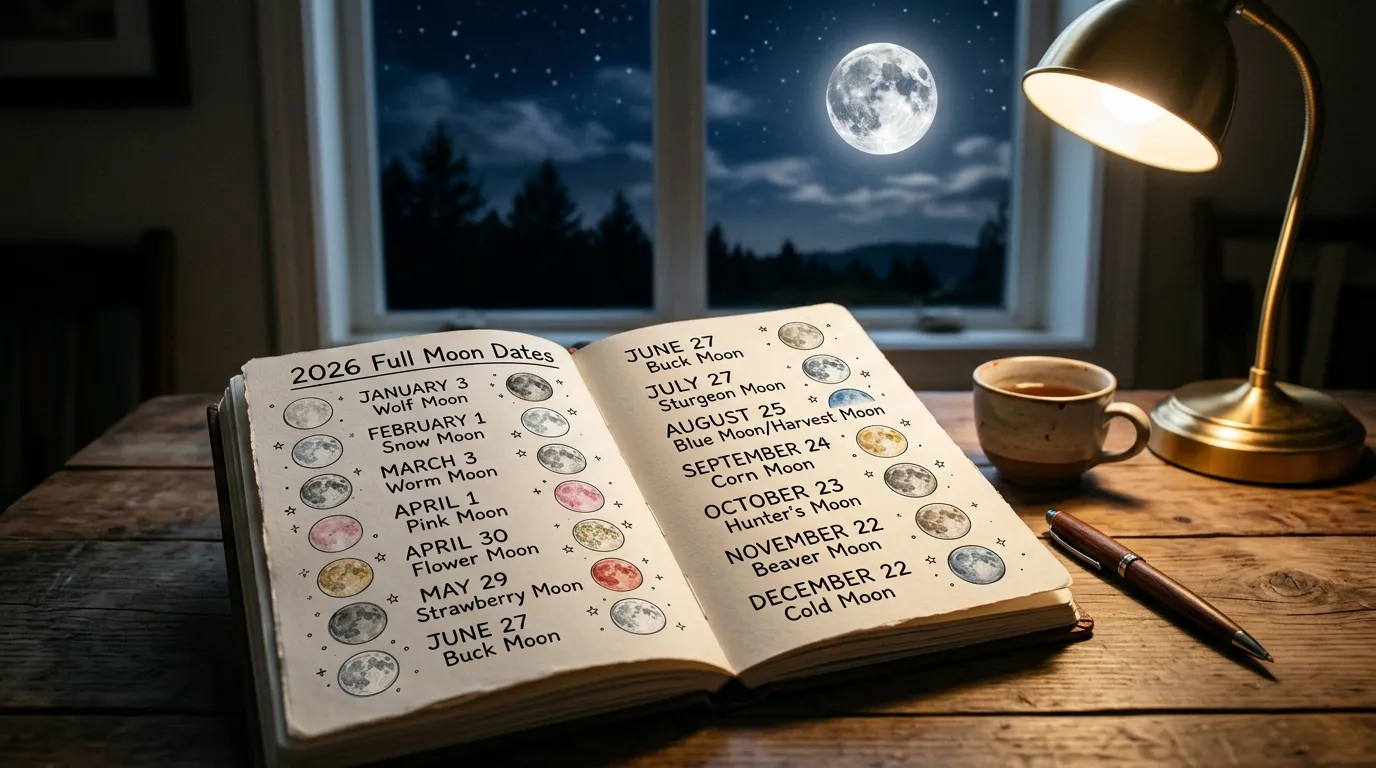
Humanity has always relied on the Full moon calendar and dates to track the changing seasons. The names we use today originate from a mix of Native American, Anglo-Saxon, and Celtic traditions. These titles reflect seasonal shifts, animal behaviors, and agricultural milestones.
The Winter Moons
The January Wolf Moon earns its name from the hungry wolf packs that would howl outside villages during the deep winter months. February brings the Snow Moon, appropriately named for the heaviest snowfalls of the season in North America. By March, the Worm Moon signals the thawing of the earth, where earthworms emerge and invite the return of feeding birds.
The Spring and Summer Moons
April features the Pink Moon, which does not refer to the moon’s color but rather to the early blooming wild ground phlox. May’s Flower Moon celebrates the abundance of spring blossoms. June delivers the Strawberry Moon, marking the short window for harvesting sweet summer berries. You can learn more about how orbital mechanics affect these appearances through resources provided by NASA’s lunar exploration team.
July introduces the Buck Moon, noting the time when male deer begin regrowing their velvet-covered antlers. August highlights the Sturgeon Moon, named after the large fish easily caught in the Great Lakes during late summer.
The Autumn and Winter Moons
September brings the Harvest Moon, providing crucial extended evening light for farmers gathering their crops before autumn sets in. October’s Hunter’s Moon signifies the time to stockpile meat for the coming winter. November’s Beaver Moon marks the season when beavers actively build their winter dams. Finally, the December Cold Moon represents the longest, darkest nights of the year.
Moon Phases Comparison Table
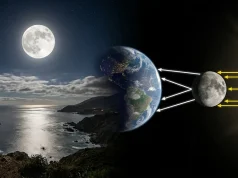
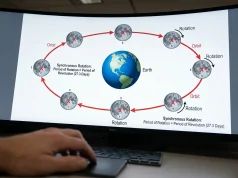
To better understand the Full moon calendar and dates, you must recognize the distinct phases of the lunar cycle. The moon transitions through these phases over approximately 29.5 days.
|
Phase |
Description |
Visibility |
Energy Association |
|---|---|---|---|
|
New Moon |
The moon sits between Earth and the Sun. |
Invisible |
Setting intentions, fresh starts |
|
First Quarter |
The right half of the moon is illuminated. |
Evening sky |
Taking action, overcoming obstacles |
|
Full Moon |
The Earth sits between the Moon and the Sun. |
All night |
Culmination, peak illumination |
|
Last Quarter |
The left half of the moon is illuminated. |
Early morning |
Releasing, evaluating, reflecting |
Familiarizing yourself with the moon phases helps you plan both practical activities and personal milestones.
How to Maximize Lunar Cycles
Using the Full moon calendar and dates goes beyond simple observation. You can integrate these astronomical events into your daily life for improved planning and productivity.
First, align your outdoor activities with the lunar cycle. Plan camping trips or night hikes during the full phase when natural illumination is at its peak. Conversely, schedule deep space stargazing during the new phase when the sky is darkest. Institutions like the Space.com night sky guide offer excellent tools for tracking optimal viewing conditions.
Second, utilize the cycle for gardening. Many agricultural traditions suggest planting above-ground crops during the waxing phase and root crops during the waning phase. The increased lunar gravity during the full phase pulls moisture closer to the soil surface, benefiting seed germination.
Finally, capture the moment through astrophotography. A basic DSLR camera and a sturdy tripod can yield incredible results. Use a telephoto lens and a fast shutter speed to capture the crater details without overexposing the bright lunar surface. Check your night sky photography guide for specific camera settings based on your equipment.
Common Mistakes to Avoid
When following the Full moon calendar and dates, enthusiasts often make a few predictable errors.
Ignoring the weather forecast stands as the most frequent mistake. A cloudy sky will completely obscure your view, regardless of the moon’s phase. Always check local meteorological reports a few hours before heading out.
Misunderstanding moonrise times causes many people to miss the best viewing opportunities. The moon looks largest and most colorful right as it crests the horizon, an effect known as the moon illusion. Waiting until it sits high in the sky diminishes this spectacular visual impact.
Failing to allow for dark adaptation ruins the viewing experience. Staring at your smartphone screen while waiting for the moon to rise prevents your eyes from adjusting to the low light. Keep screens stowed or use a red-light filter to preserve your night vision.
Pro Tips and Expert Insights
To elevate your experience with the Full moon calendar and dates, rely on strategies used by veteran astronomers.
Track the moon’s path using augmented reality astronomy apps. These tools show exactly where the moon will rise and set over your local landscape, allowing you to frame perfect photographs with natural landmarks or city skylines.
Pay attention to atmospheric conditions. Crisp, cold winter nights often provide the clearest views with minimal atmospheric distortion. Summer nights, while warmer, can introduce haze and humidity that blurs the moon’s crisp edges. The Old Farmer’s Almanac provides historical data on seasonal visibility trends.
Watch for the terminator line. While a fully illuminated disk looks impressive, observing the moon a day or two before or after peak fullness reveals the terminator line—the division between light and dark. The long shadows cast along this line highlight the dramatic depth of lunar craters and mountains in stunning detail. Review your telescope observation tips to maximize this viewing window.
Conclusion
Understanding the Full moon calendar and dates empowers you to connect with astronomical rhythms, capture stunning photographs, and appreciate ancient cultural traditions. Use this comprehensive Full moon calendar and dates guide to plan your 2026 nighttime adventures. Grab your calendar, mark these spectacular celestial events, and prepare to look up!
Frequently Asked Questions (FAQs)
What is the Full moon calendar and dates?
The Full moon calendar and dates is a schedule tracking the specific days and times when the moon reaches its peak illumination each month. It helps astronomers, photographers, and nature enthusiasts plan their activities around the lunar cycle.
How many full moons will occur in 2026?
The year 2026 will feature 13 full moons. Because the lunar cycle is roughly 29.5 days, months occasionally fit two full moons, resulting in a 13th moon known as a Blue Moon.
What is a Blue Moon?
A Blue Moon is the second full moon to occur within a single calendar month. In 2026, May will feature two full moons, making the May 31 event a Blue Moon.
Why do full moons have different names?
Different names for full moons originate from Native American, Anglo-Saxon, and Celtic traditions. These cultures named the moons to track seasons, agricultural cycles, and animal behaviors, such as the Harvest Moon or the Wolf Moon.
What is a Supermoon?
A supermoon happens when the moon reaches its full phase while at its closest physical point to Earth in its elliptical orbit. This proximity makes the moon appear slightly larger and brighter than a typical full moon.
How does the lunar cycle affect the tides?
The gravitational pull of the moon dictates ocean tides. During a full moon, the Sun, Earth, and Moon align, creating stronger gravitational forces that result in higher high tides and lower low tides, known as spring tides.
What is the best time of night to view a full moon?
The most dramatic time to view a full moon is during moonrise, just as it appears over the horizon. An optical phenomenon called the moon illusion makes it appear much larger against trees and buildings than when it is high overhead.
Can I photograph the moon with a smartphone?
Yes, modern smartphones can capture decent lunar photos. For the best results, use a tripod to eliminate hand shake, tap the screen to focus on the moon, and manually lower the exposure slider so the bright surface details do not wash out.
What is a Blood Moon?
A Blood Moon occurs during a total lunar eclipse. As the Earth passes directly between the Sun and the Moon, the Earth’s atmosphere filters the sunlight, casting a reddish, copper-colored shadow across the lunar surface.
How accurate are the times listed on the lunar calendar?
The times listed on a lunar calendar represent the exact astronomical moment the moon reaches 100% illumination. However, to the naked eye, the moon will appear completely full for about a day before and a day after this specific time.