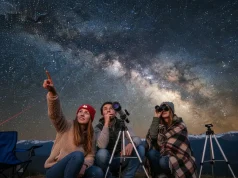
Embarking on an astronomy guide opens an incredible window into the night sky, inviting enthusiasts to explore distant worlds and unravel the mysteries of the cosmos. Today, in today’s digital landscape, beginners have unprecedented access to telescopes, apps, and online communities that make stargazing more accessible than ever. Whether you’re simply gazing up to identify constellations or capturing images of nebulae, this astronomy guide is designed to equip you with the knowledge and tools you need to start observing confidently.
Currently, the sky above us presents an ever-changing tapestry of celestial objects, from luminous planets to the swirling arms of distant galaxies. This article covers everything from the historical roots of astronomy to practical advice on selecting equipment and planning observing sessions. We’ll highlight reliable resources, including NASA (https://www.nasa.gov) and the European Southern Observatory (https://www.eso.org), to help you deepen your understanding. By following these insights, you’ll be able to navigate star charts, choose your first telescope or binoculars, and join vibrant astronomy communities this year (2026). Let’s dive into the universe and begin an unforgettable astronomical journey.
Origins: From Ancient Observations to Scientific Breakthroughs
Early Skywatchers and Their Legacy
Long before modern instruments, civilizations such as the Babylonians, Chinese, and Maya meticulously recorded the movements of celestial bodies to create calendars, predict agricultural seasons, and navigate vast oceans. They observed eclipses, tracked planetary cycles, and even built monumental structures aligned with solstices and equinoxes. These early pioneers laid the groundwork for systematic sky study by developing star charts and observational logs that would influence astronomers for centuries.
The Shift to a Heliocentric Model
The renaissance of astronomy began when thinkers like Nicolaus Copernicus challenged geocentric thinking and proposed that Earth and other planets orbit the Sun. Galileo Galilei’s telescope, one of the first powerful refractors, revealed lunar craters, the phases of Venus, and the moons of Jupiter. This observational evidence galvanized a paradigm shift in how humanity perceived its place in the universe.
Newton, Kepler, and the Laws of Motion
Building on careful observations, Johannes Kepler formulated three laws describing planetary motion, demonstrating that planets follow elliptical orbits and sweep out equal areas in equal times. Later, Isaac Newton’s law of universal gravitation unified celestial phenomena with terrestrial physics, showing that the same force governing an apple’s fall also keeps the Moon in orbit around Earth. Together, these breakthroughs established the foundations of classical mechanics and celestial dynamics.
Exploring Stars, Planets, and Beyond
Stellar Birth, Life, and Death
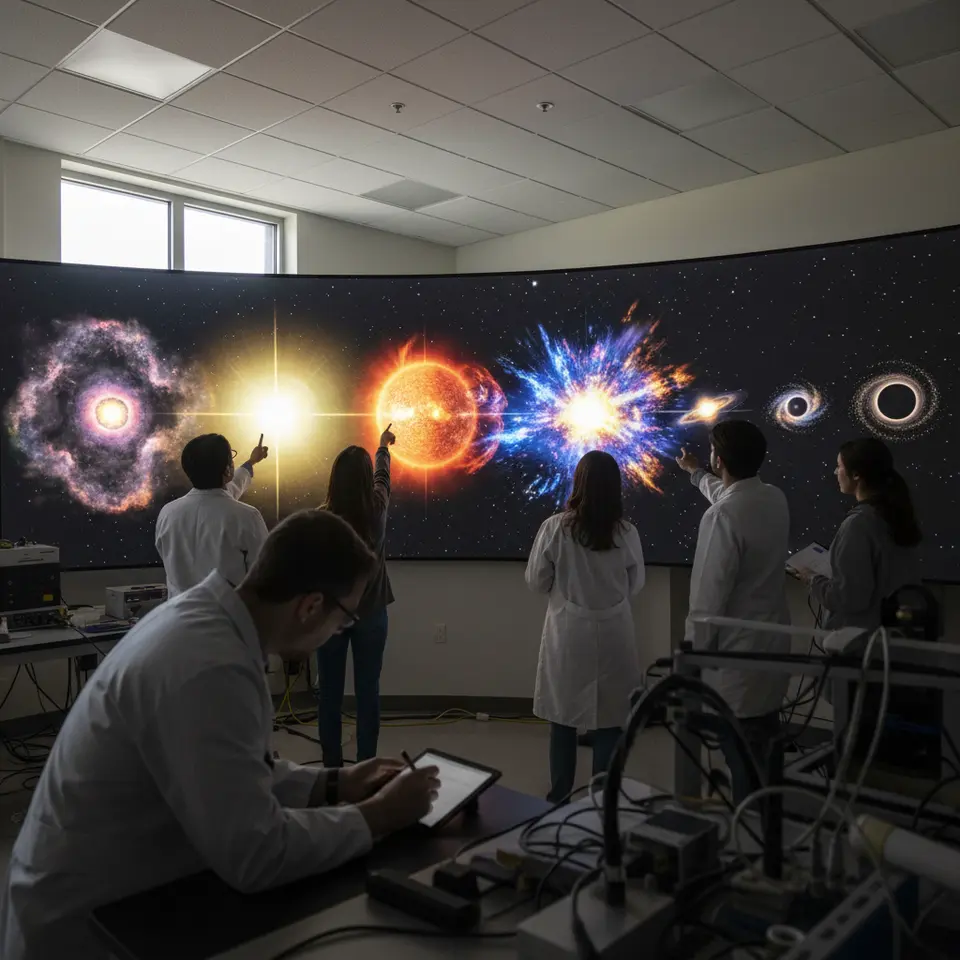
Stars originate within cold, dense regions of interstellar clouds called nebulae. Under gravity’s pull, a fragment of the cloud collapses to form a protostar, where rising temperatures eventually ignite nuclear fusion. This powerful process generates light and heat for millions to billions of years. Depending on mass, a star’s life ends as a white dwarf, neutron star, or black hole, often preceded by a spectacular supernova that disperses heavy elements back into space.
Planetary Diversity Across the Galaxy
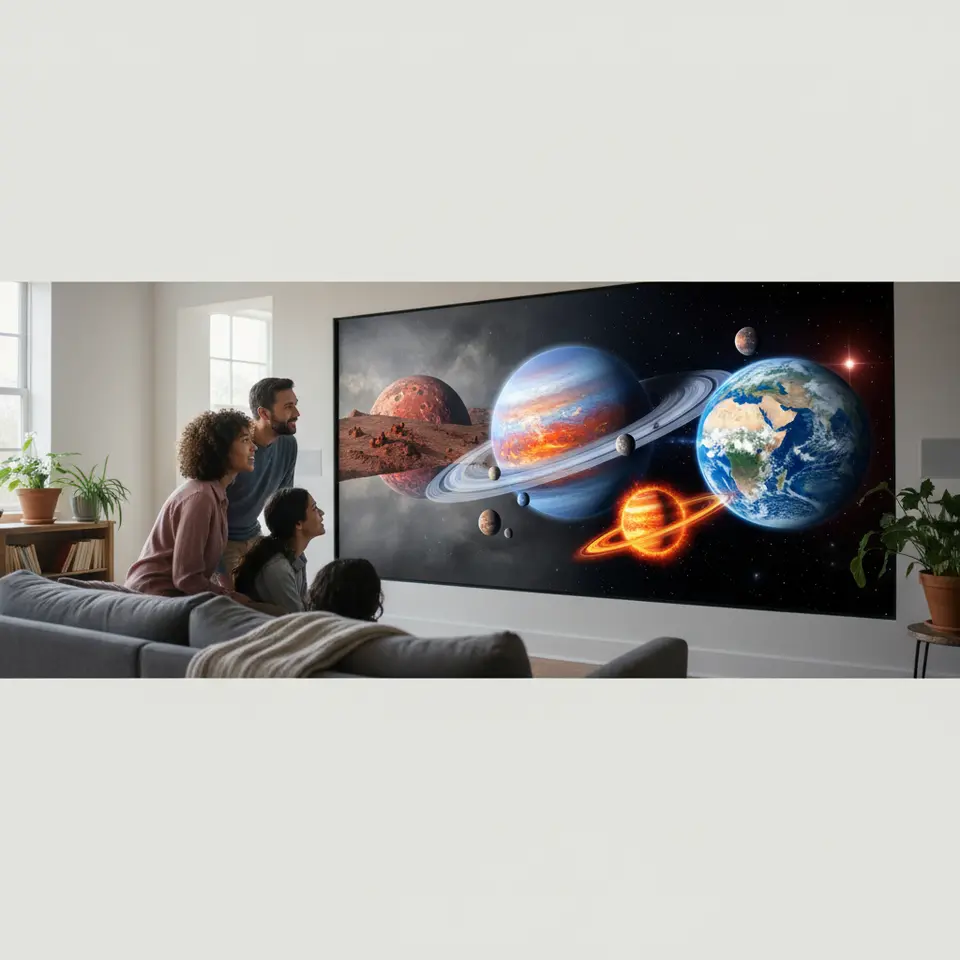
Planets orbit stars and present extraordinary variation. Terrestrial worlds like Mercury and Mars possess rocky surfaces with mountains, craters, and potential signs of past water. Gas giants such as Jupiter and Saturn are immense spheres of hydrogen and helium, sometimes hosting dozens of moons. Recent exoplanet discoveries have revealed super-Earths and hot Jupiters, challenging our traditional definitions of planetary systems and hinting at potentially habitable environments beyond our solar system.
Galaxies, Nebulae, and Cosmic Structures
Galaxies are sprawling collections of stars, gas, dust, and dark matter, bound together by gravity. The Milky Way, our barred spiral home, harbors over 100 billion stars. Nebulae like the Orion Nebula are stellar nurseries where new stars take shape, while remnants such as the Crab Nebula showcase the aftermath of supernova explosions. Observing these majestic formations offers a glimpse into the universe’s large-scale architecture and dynamic processes.
Mastering the Night Sky: Observing Techniques
Finding Ideal Viewing Sites
Light pollution can severely hinder celestial observations by washing out faint stars and deep-sky objects. To maximize clarity, seek out designated dark-sky parks, remote rural locations, or hilltops. Online resources and mobile apps map light pollution levels and help you locate nearby dark zones. Timing your session around a new moon will further reduce sky brightness and enhance the visibility of galaxies and nebulae.
Learning to Read Star Charts and Apps
Star charts and planetarium apps are invaluable for navigating the sky. Begin by identifying a few prominent constellations—Orion’s Hunter, the Big Dipper in Ursa Major, or the scorpion-shaped Scorpius. As you become comfortable, use apps like Stellarium or SkySafari to simulate the sky at any date and time, allowing you to locate planets, star clusters, and deep-sky objects. These digital tools also provide educational overlays with object names, magnitudes, and distances.
Essential Techniques for Clear Views
Allow your eyes to adapt to the darkness for at least 20 minutes to perceive faint objects effectively. Shielding your eyes from nearby light sources and using a red flashlight preserves night vision. When using binoculars or a telescope, start with low magnification to locate targets before switching to higher power for details. Keeping your equipment steady—using a tripod or mount—is key to sharp, vibration-free observations.
Choosing the Right Optical Instruments
Refractors, Reflectors, and Compound Telescopes
Refractor telescopes use lenses to bend and focus light. They deliver crisp, high-contrast images and require minimal maintenance but can become expensive at larger apertures. Reflectors employ mirrors to gather light, offering larger apertures at a more affordable price point, although they require occasional alignment (collimation). Compound telescopes combine lenses and mirrors, resulting in compact tubes, versatile performance, and higher magnifications ideal for planetary and deep-sky viewing.
Key Specifications to Consider
Aperture—the diameter of the primary lens or mirror—directly influences light-gathering power and resolution. A larger aperture reveals dimmer objects and finer details. The focal length determines magnification when paired with eyepieces: shorter focal lengths yield wider fields of view, ideal for expansive objects like nebulae, while longer lengths provide higher magnification for observing lunar craters or planetary bands.
Mounts, Accessories, and Portability
Mount stability is crucial. Altazimuth mounts are intuitive, moving in vertical and horizontal axes, perfect for visual observing. Equatorial mounts track Earth’s rotation with a single axis adjustment, making them valuable for long-exposure astrophotography. Other accessories to consider include quality eyepieces, a stable tripod, a Barlow lens for extra magnification, and a finderscope or red-dot sighting tool.
Planning Your Observational Sessions and Community Involvement
Timing, Seasons, and Software Tools
Objects in the sky shift with seasons and latitude. For example, Orion’s bright belt dominates winter skies in many Northern Hemisphere locations, while the center of the Milky Way becomes prominent in summer evenings. Use online sky calendars and planetarium software such as Stellarium or Star Walk to plan sessions around your local weather, moon phase, and the best visibility windows for your targets.
Recording Observations and Astrophotography Basics
Maintaining an observation log enriches your learning curve and creates a personal record of discoveries. Note date, time, location, equipment details, and atmospheric conditions. For astrophotography, start with wide-field shots of the Milky Way using a DSLR or mirrorless camera on a steady tripod. Progress to deep-sky imaging with an equatorial mount, longer exposures, and stacking software to enhance faint details and reduce noise.
Joining Clubs, Star Parties, and Online Forums
Astronomy is a community-driven pursuit. Local astronomy clubs and public star parties offer valuable hands-on experience, mentorship, and access to diverse equipment. Engaging with online forums and social media groups allows you to share your observations, ask questions, and learn from experienced observers worldwide. Collaboration not only accelerates your progress but also adds a social dimension to your stargazing adventures.
Frequently Asked Questions
What is the best way to start stargazing as a beginner?
Begin by finding a dark location free from light pollution and allow your eyes to adjust to the darkness for at least 20 minutes. Start with your naked eye to identify bright constellations, then use binoculars to explore stars and star clusters before moving on to a beginner-friendly telescope.
Do I need an expensive telescope to enjoy astronomy?
No. Many rewarding observations can be made with binoculars or a small, affordable telescope with a 70–90 mm aperture. As you gain experience, you can invest in larger instruments or more advanced equipment based on your interests.
How can I reduce light pollution’s impact on my observations?
Seek out dark-sky parks or remote sites away from urban areas. Use light pollution maps and mobile apps to plan your observing location. Additionally, observe during the new moon phase and use red lights to preserve your night vision.
Where can I find reliable astronomy resources online?
Trusted resources include NASA (https://www.nasa.gov), the European Southern Observatory (https://www.eso.org), Stellarium (https://stellarium.org), and astronomy forums like Cloudy Nights. Many local astronomy clubs also maintain websites with observing tips and event information.
Conclusion
This astronomy guide has outlined the historic milestones, fundamental tools, and practical methods that empower beginners to navigate the heavens with confidence. By understanding celestial origins, selecting suitable equipment, mastering observing techniques, and connecting with fellow enthusiasts, you can transform a casual interest in the night sky into an enriching lifelong hobby. In today’s digital landscape, resources and communities are at your fingertips, and this year (2026) offers endless opportunities for discovery. So look up, chart your course, and embark on an exhilarating journey through the stars and beyond.